Xinhua
23 Apr 2026, 08:45 GMT+10
Pakistani defense analyst and retired brigadier Tughral Yamin said the delays in talks are part of a strategy to gain maximum leverage from the current situation before making any final commitments. By slowing down the process, both sides are trying to improve their bargaining position and secure the best possible outcome for themselves.
ISLAMABAD, April 23 (Xinhua) -- U.S. President Donald Trump said Wednesday there is "no time frame" for ending the U.S.-Israeli war on Iran, stressing there was "no time pressure" on the extended ceasefire or pending peace talks.
He had initially said the war would last four to six weeks after it began on Feb. 28. Earlier on the same day, U.S. online media outlet Axios cited three U.S. officials that Trump may extend the ceasefire with Iran for three to five more days.
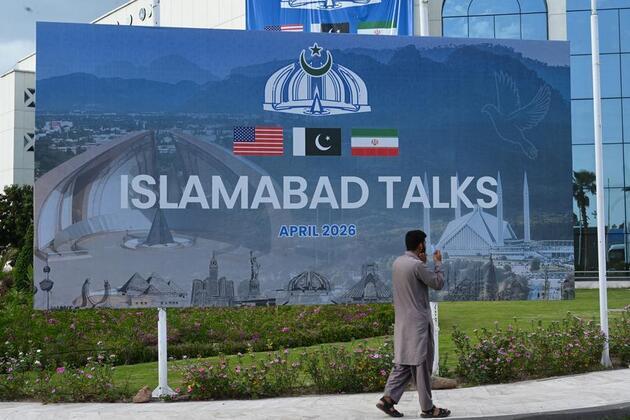
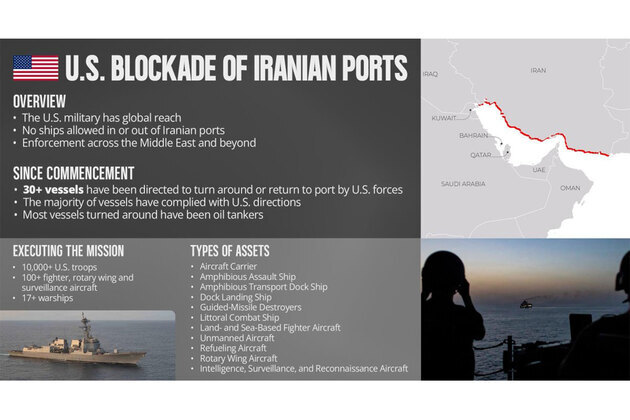
Just as the two-week truce that began on April 8 was nearing expiration, Trump on Tuesday extended the ceasefire "at Pakistan's request," but continued to blockade Iranian ports. Citing the blockade as a ceasefire violation, Iran refused to attend the talks, together with the cancellation of U.S. Vice President JD Vance's Pakistan visit, further shadowing the expectation on the fresh Iran-U.S. peace talks in Islamabad.
IRAN: U.S. BREACH OF COMMITMENT STALLS TALKS
Pakistan, a main mediator between Washington and Tehran, had placed Islamabad under extraordinary security in anticipation of the much-awaited second round of peace talks. Thousands of police personnel, elite commandos and rooftop snipers were deployed across Islamabad and neighboring Rawalpindi, while major hotels were requisitioned for the expected delegations.
Despite the extensive preparations, the talks did not proceed, as Iran said the United States had failed to honor its prior commitments, citing maritime blockades, seizure of Iranian vessels and continued U.S. threats as key reasons for refusing to negotiate.
Mahdi Mohammadi, Iranian parliament speaker's advisor on strategic affairs, said after Trump's Truth Social post on Tuesday that the ceasefire extension announced by Trump is a "ploy" to buy time for a surprise attack, warning that continued U.S. pressure at sea would require a response.
Iran had earlier announced a conditional and temporary reopening of the Strait of Hormuz, but the move did not lead to the lifting of U.S. restrictions on Iranian ports. Tehran subsequently declared that it would resume control over passage through the strategic maritime channel.
KEY STICKING POINTS REMAIN
Analysts believe that the key hard-to-solve differences between the United States and Iran are undermining the foundation for possible talks. Jalil Abbas Jilani, Pakistan's former foreign secretary and former ambassador to the United States, said some demands from Washington are "not acceptable" to Iran at this stage, citing the nuclear issue.
Washington has called on Iran to indefinitely halt its nuclear program and hand over its enriched uranium stockpiles. Tehran, for its part, maintains that it has the right to peaceful nuclear energy and refuses to ship its enriched uranium abroad.
Jilani also cited Iran's missile program, control of the Strait of Hormuz, sanctions and frozen assets as key areas of dispute, noting that resolving them would require considerable time.
Iranian officials argued that diplomacy could not move forward while Washington continued what they described as hostile actions, including the blockade and interception of Iranian commercial vessels. But the United States insisted its military will continue the blockade against Iran and "remain ready and able."
Iranian Foreign Ministry spokesman Esmaeil Baghaei said diplomacy remains a tool to protect national interests and would only be pursued when conditions align with Iran's interests.
The standoff deepened further when Iran's Islamic Revolution Guard Corps said Wednesday it had seized two vessels attempting to pass through the Strait of Hormuz without authorization, in retaliation for U.S. actions on the Strait of Hormuz.
The developments have raised fresh concerns over security in the strait, one of the world's most important energy corridors and a key route for global oil supplies.
WINDOW FOR DIPLOMACY REMAINS OPEN
Despite the setbacks, the window for negotiations is seen as remaining open. Pakistani officials held a high-level meeting on Wednesday to review the peace process and the regional security situation. Later, Prime Minister Shehbaz Sharif met with Iranian Ambassador Reza Amiri Moghadam to discuss regional developments and diplomatic efforts, signaling that backchannel communications remain active.
In the past hours, multiple channels have circulated signals suggesting that Washington is open to possible renewed negotiations, and the White House on Wednesday said Trump did not view Iran's seizure of two European ships by force near the Strait of Hormuz as a breach of the extended U.S. ceasefire.
Also on Wednesday, Iranian President Masoud Pezeshkian said that Iran has always welcomed resolving issues through dialogue and agreement and will continue to do so.
In a post on social media platform X, he said breaches of commitments, blockades and threats constitute the main obstacles to genuine negotiations, adding that "world sees your endless hypocritical rhetoric and contradiction between claims and actions," in reference to the United States.
Pakistani defense analyst and retired brigadier Tughral Yamin said the delays in talks are part of a strategy to gain maximum leverage from the current situation before making any final commitments. By slowing down the process, both sides are trying to improve their bargaining position and secure the best possible outcome for themselves.
But Yamin also warned that prolonged uncertainty would push oil prices higher, fuel inflation worldwide and create serious difficulties for both developed and developing countries alike.
Meanwhile, Trump is also facing growing domestic pressure, with a new AP-NORC poll showing his approval rating on the economy falling from 38 percent in March to 30 percent in April, while approval of his handling of Iran remained low at 32 percent. Analysts said the economic costs of prolonged tensions, including rising fuel prices and inflation, are increasing pressure on Washington to secure a diplomatic outcome.
Get a daily dose of Baton Rouge Post news through our daily email, its complimentary and keeps you fully up to date with world and business news as well.
Publish news of your business, community or sports group, personnel appointments, major event and more by submitting a news release to Baton Rouge Post.
More InformationNEW YORK, New York - U.S. stock markets closed higher on Wednesday, with the major indexes posting solid gains after President Trump...
NEW YORK CITY, NEW YORK: Meta is rolling out internal tracking software that records how employees interact with their computers, as...
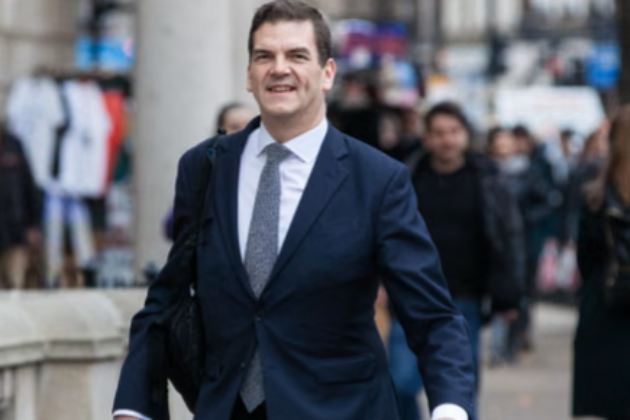
LONDON, U.K.: Olly Robbins, the ex-civil servant who was fired from his job for approving Peter Mandelson's appointment as British...
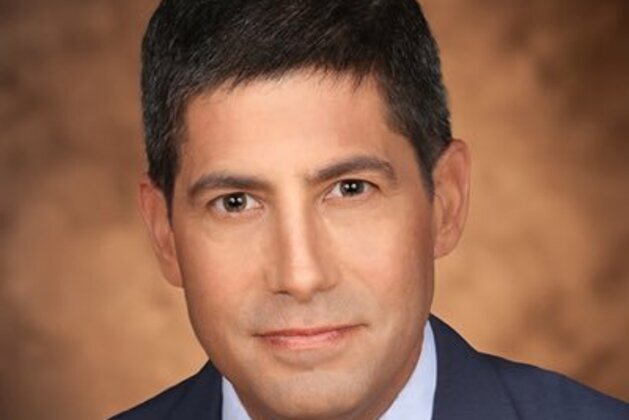
WASHINGTON D.C.: Federal Reserve chair nominee Kevin Warsh signaled sweeping changes to U.S. monetary policy on April 21, calling for...
HONG KONG: Asian airlines are seeing a surge in demand for travel to Europe as disruptions at Middle Eastern hubs force passengers...
NEW YORK, New York - U.S. stock markets were again sold off on Tuesday as Wednesday's end to the U.S. ceasefire with Iran looms. It...
Pakistani defense analyst and retired brigadier Tughral Yamin said the delays in talks are part of a strategy to gain maximum leverage...
Florida [US], April 23 (ANI): United States Central Command (CENTCOM) confirmed on Thursday that American forces 'have directed 31...
(Photo credit: Amber Searls-Imagn Images) Despite the ongoing conflict at home, the Iran men's national soccer team is 'fully prepared'...
By Reena Bhardwaj Washington, DC [US], April 23 (ANI): India's Ambassador to the United States Vinay Mohan Kwatra on Wednesday highlighted...
(260423) -- SANYA, April 23, 2026 (Xinhua) -- Athletes start during the men's individual of aquathlon event at the 6th Asian Beach...
Mumbai (Maharashtra) [India], April 23 (ANI): Maharashtra Deputy Chief Minister Eknath Shinde criticised the Congress National President...