


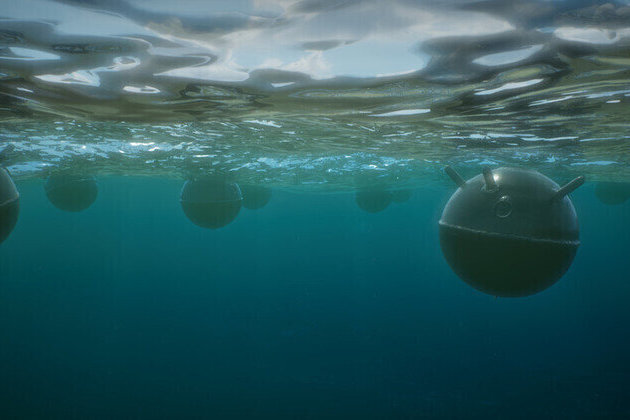
Mining the Gulf: Its a risk Iran is ready to take
RT.com
24 Mar 2026, 01:12 GMT+10
 Share
Share
 Tweet
Tweet
 Share
Share
 Flip
Flip
 Email
Email
Subscribe and Follow
Get a daily dose of Baton Rouge Post news through our daily email, its complimentary and keeps you fully up to date with world and business news as well.


News RELEASES
Publish news of your business, community or sports group, personnel appointments, major event and more by submitting a news release to Baton Rouge Post.
More InformationOpenAI to expand hiring as staff set to reach 8,000 by 2026

SAN FRANCISCO, California: OpenAI is planning a major hiring push that could nearly double its workforce to about 8,000 employees by...
India, Asian refiners consider Iranian crude after US waiver
NEW DELHI/SINGAPORE: Refiners in India and across Asia are exploring purchases of Iranian oil after the United States temporarily eased...
Workers embrace ‘microshifting’ for flexibility, balance

NEW YORK CITY, New York: A growing number of workers are moving away from traditional nine-to-five schedules in favour of microshifting,...
Amazon eyes smartphone comeback with AI-driven device plan

SAN FRANCISCO, California: More than a decade after the failure of its Fire Phone, Amazon is working on a new smartphone project as...
Unilever weighs food business sale as McCormick eyes deal
LONDON, U.K.: Unilever is in discussions to sell its food business to U.S.-based McCormick & Company, in a potential deal that would...
Apple bucks China smartphone slump with 23% sales surge

BEIJING, China: Apple recorded strong growth in China's smartphone market at the start of 2026, even as overall sales declined, helped...
France's FM meets with Israeli counterpart to discuss Lebanon conflict

TEL AVIV, Israel - Israeli Foreign Minister Gideon Sa'ar welcomed French Minister for Europe and Foreign Affairs Jean-Noël Barrot to...
North Korea's Rights Crisis, Not Just Missiles, Needs Global Attention
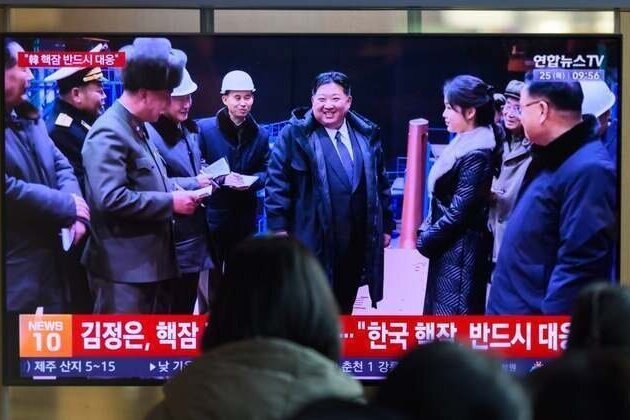
While breaking news stories capture our attention-North Korea's recent launching of 10 ballistic missiles grabbed headlines-there's...
Mining the Gulf: Its a risk Iran is ready to take
Tehran has threatened to place explosives in the critical global trade route in response to a potential US ground operation In response...
"Just want to have as much oil in system as possible": Trump as US temporarily eases oil sanctions on Iran
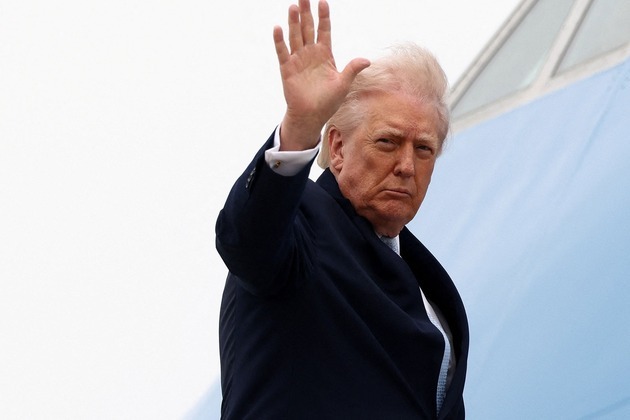
Florida [US], March 23 (ANI): US President Donald Trump on Monday justified his administration's decision to temporarily ease sanctions...
"Everybody hopes there will be good results," says former diplomat Sikri on US pausing military ops on Iran
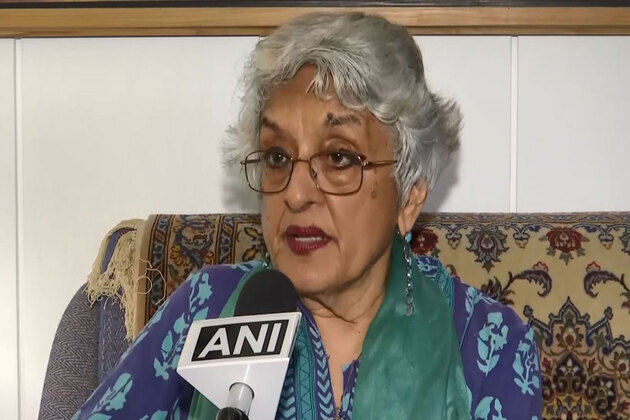
New Delhi [India], March 23 (ANI): Former Indian diplomat Veena Sikri has welcomed US President Donald Trump's announcement of a five-day...
Trump claims he could jointly control the Strait of Hormuz with Iran's supreme leader as Tehran denies any talks (VIDEOS, PHOTOS)
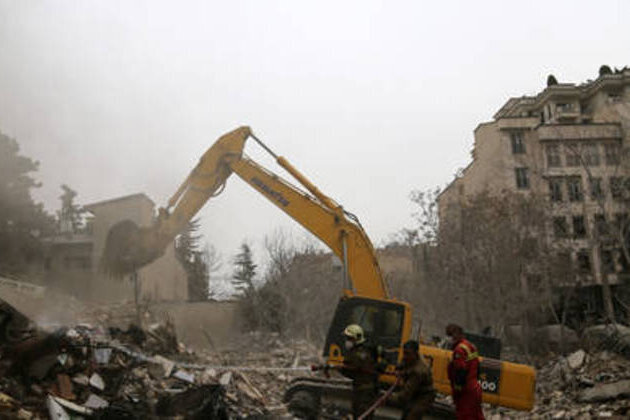
The US president has announced that he believes he and the next Ayatollah could control the passage through which a fifth of global...
