


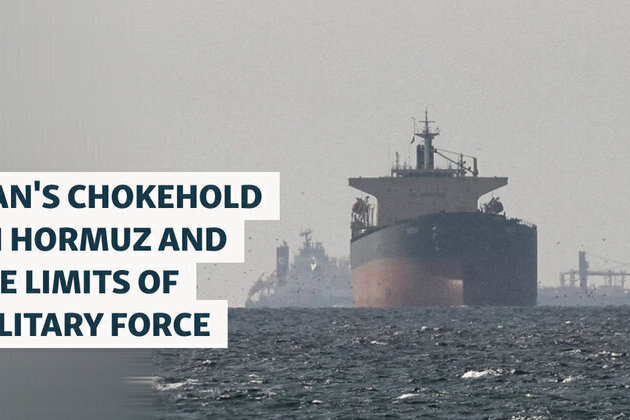
Iran's Chokehold On Hormuz And the Limits Of Military Force
RFE
21 Mar 2026, 19:55 GMT+10
 Share
Share
 Tweet
Tweet
 Share
Share
 Flip
Flip
 Email
Email
Subscribe and Follow
Get a daily dose of Baton Rouge Post news through our daily email, its complimentary and keeps you fully up to date with world and business news as well.


News RELEASES
Publish news of your business, community or sports group, personnel appointments, major event and more by submitting a news release to Baton Rouge Post.
More InformationCoffee seen following cocoa’s slump as prices face pressure
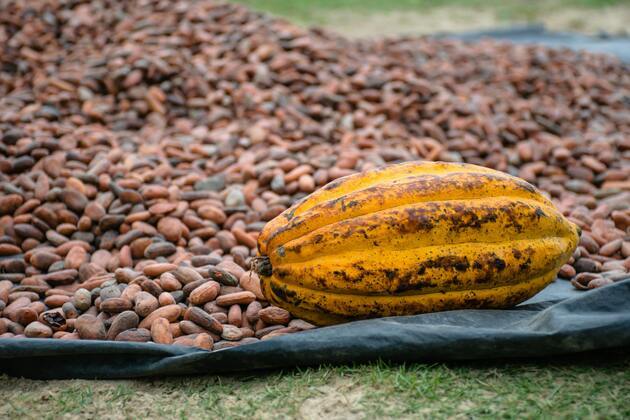
TAMPA, Florida: Coffee markets are drawing comparisons to cocoa's dramatic boom-and-bust cycle, with some industry experts expecting...
Cayman Islands, a global hub housing trillions of U.S. dollars

China, which was the largest holder of U.S. government debt as recently as 2019, has cut its holdings to the lowest level since 2008,...
U.S. stocks end week with major sell-off, Dow Jones dives 447 points

NEW YORK, New York - U.S. stocks ended sharply lower Friday as the deeply unpopular Netanyahu-Trump war on Iran continued to play havoc...
Iran war-driven fuel spike could boost EV, hybrid demand

GUILDFORD, U.K./RICHMOND, Virginia: A surge in gasoline prices linked to the Iran war is beginning to ripple through the auto market,...
Milk price crash pushes UK dairy farms toward crisis point

AUDLEM, England: A sharp fall in milk prices, driven by oversupply, is pushing UK dairy farmers toward losses, with many warning that...
India weighs fuel export requests as Hormuz crisis worsens
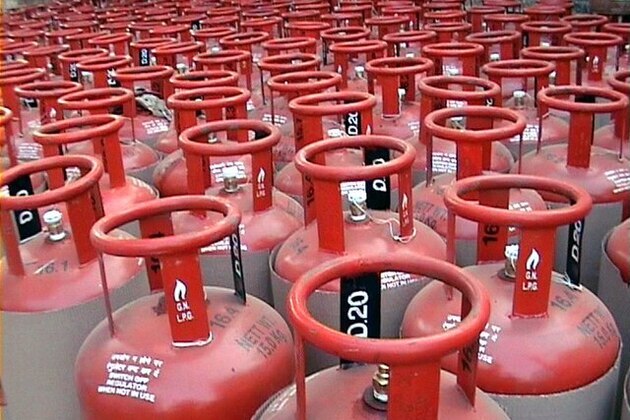
NEW DELHI, India: India will prioritise domestic fuel demand as it reviews requests from neighbouring countries for supplies, approving...
North Korea's Rights Crisis, Not Just Missiles, Needs Global Attention
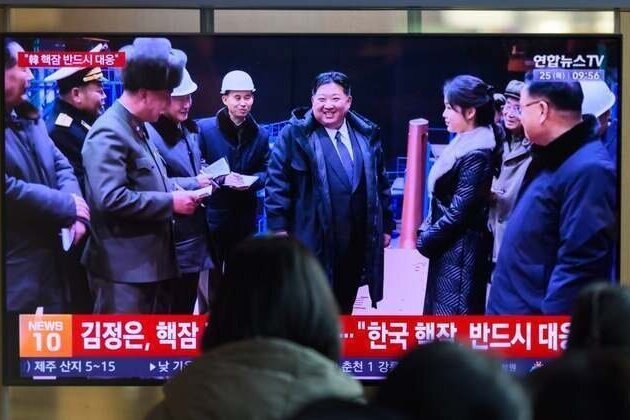
While breaking news stories capture our attention-North Korea's recent launching of 10 ballistic missiles grabbed headlines-there's...
"No strategy, just empty rhetoric": Rahul Gandhi slams Centre, warns against inflation as rupee weakens
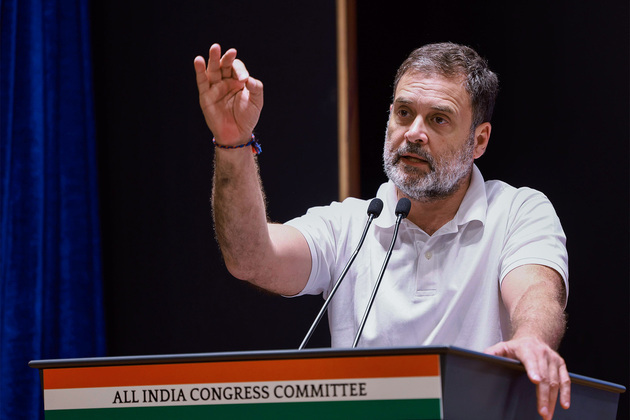
New Delhi [India], March 21 (ANI): Leader of Opposition in Lok Sabha and Congress leader, Rahul Gandhi, on Saturday slammed the Centre,...
China accused of exploiting UN system for strategic expansion
Washington DC [US], March 21 (ANI): A new investigation by the US' Select Committee on China has alleged that China is systematically...
Iran's Chokehold On Hormuz And the Limits Of Military Force
The Strait of Hormuz, a 33-kilometer-wide chokepoint through which roughly a third of the world's seaborne oil passes, is effectively...
Iran informs about Natanz nuclear site attack, no increase in radiation levels: UN atomic watchdog IAEA
Vienna [Austria], March 21 (ANI): The International Atomic Energy Agency (IAEA) on Saturday said that Iran has informed that Natanz...
Tai Chi takes world stage as China marks first International Taijiquan Day

BEIJING, March 21 (Xinhua) -- More than 1,200 Tai Chi practitioners from nine countries and 10 Chinese provincial-level regions gathered...
